

Complete Guide · Updated For Arizona Homes
Slate Care
Slate is dense and low porosity compared to travertine or limestone, but its layered structure is its weak point. Get the sealer wrong and the layers separate from the inside out.
What Slate Actually Is
Slate is a fine grained metamorphic stone that splits naturally into layered sheets, giving it a distinctive textured, cleft surface.
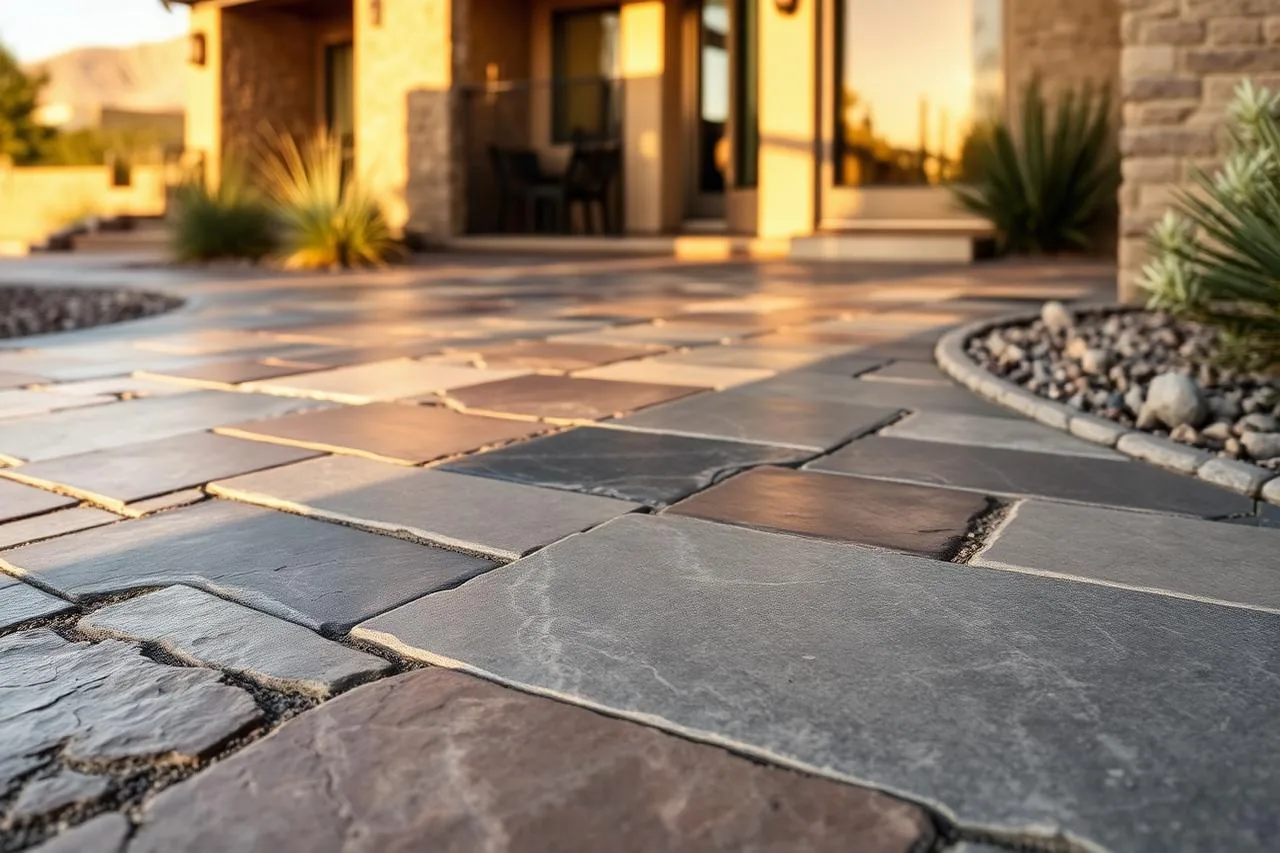
It is dense and low porosity compared to travertine or limestone, but its layered structure means it can delaminate, flaking apart in thin sheets, if water gets trapped between layers and freezes or expands.
In Phoenix, delamination is less of a freeze thaw issue than it is elsewhere, but heat cycling and improper sealing still cause layers to separate over time. The sealer choice is what decides how a slate patio ages here.
Naturally Cleft Texture
The riven surface traps grime more than smooth stone, so cleaning technique matters more than product strength.
Low To Moderate Porosity
Denser than travertine or limestone, which is why the reseal interval stretches to years rather than months.
Reseal Every 2 To 3 Years
Breathable penetrating sealer only, on a two to three year cycle for most Valley installations.
Prone To Delamination
If sealed incorrectly, trapped moisture pushes the natural layers apart from underneath.
Know Which Slate Finish You Have
The finish decides how much grime the surface holds and how aggressively it can be brushed. Natural cleft and honed slate behave very differently underfoot.
Rustic, deeply textured, most common for patios
Multi direction brushing to reach grime in the texture valleys
Grit packing into the cleft and flaking at tile edges
Ground smooth, used for interior floors
Standard pH neutral cleaner and soft pads
Scratches, which show more on a smooth surface
Lightly smoothed, retains some texture
Soft brush agitation, gentler than natural cleft needs
Uneven sheen where traffic patterns wear the sealer
Precisely calibrated thickness, large format interiors
Routine neutral cleaning, easy to maintain
Hollow sounding tiles, a sign of substrate separation
Catch It Early
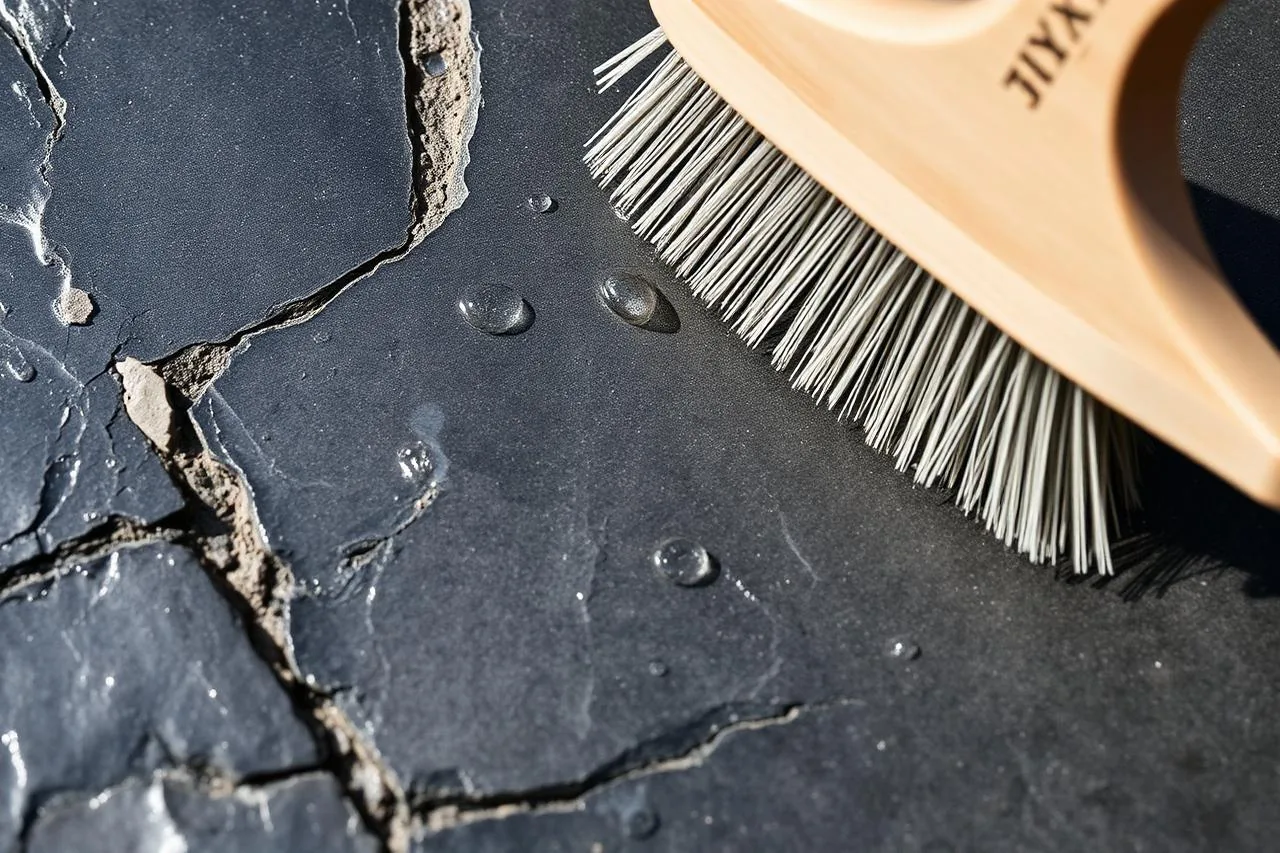
Slate gives clear early warnings before delamination becomes structural. These are the ones worth acting on.
A Routine You Can Actually Keep
Slate is low maintenance week to week. The work is in reaching the texture and in never letting the wrong sealer near it.
- Dry sweep or vacuum, paying attention to grit trapped in the cleft texture
- Deeper brush scrub of textured natural cleft surfaces with a stiff, non metal brush
- Inspect tile edges for early delamination signs
- Reseal on schedule with a breathable penetrating sealer only
The Deep Clean Process
Five steps, in order. The rinse and the dry time are what separate clean slate from slate that only looks dingy.
- 01
Dry Sweep First
Clear loose grit from the texture valleys before any water goes down.
- 02
Apply pH Neutral Cleaner
Neutral products only. Slate does not need aggressive chemistry to release soil.
- 03
Scrub The Cleft Texture
Work a stiff nylon brush in multiple directions to reach grime sitting inside the natural texture.
- 04
Rinse Thoroughly
Trapped soap residue is a common cause of the dingy look homeowners misread as staining.
- 05
Dry Fully, Then Inspect
Let the surface dry completely before checking for any lifting layers at the edges.
The Wrong Sealer Is Where Slate Fails
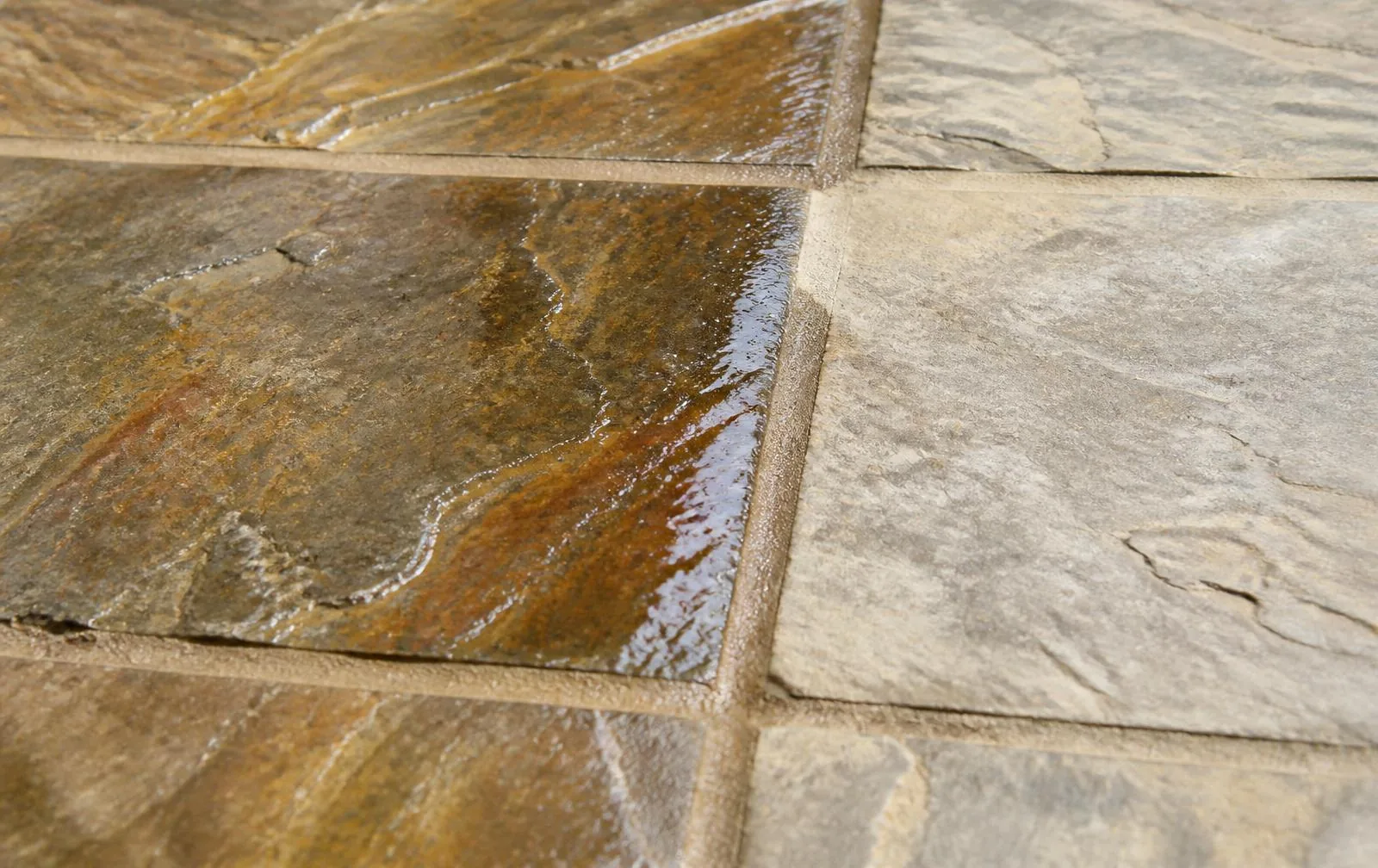
A topical, film forming sealer traps moisture underneath the surface, and that trapped moisture pushes the natural layers apart from the inside.
Only a breathable, penetrating sealer should ever go on slate. This single decision matters more than any cleaning routine, because the wrong product turns a durable stone into a flaking one.
- Breathable penetrating sealer only, never a film former
- Milky or cloudy sheen means a topical product is already failing
- Strip a failing topical sealer before applying the correct product
- Check edges for lifting layers each time you reseal
Stain Chart
Slate's texture holds onto residue, so contact times run longer here than on smooth stone.
Oil based stains
Poultice, applied and left longer than usual because slate's texture holds onto residue
Efflorescence
Dry brush first, then a stone safe efflorescence remover
Organic staining from leaves and algae
Oxygen based cleaner, safe for slate's mineral composition
Rust
Poultice, worked directly into the cleft texture with a soft brush
Do This, Never That
Do
- Use only breathable penetrating sealers
- Brush cleft texture in multiple directions when cleaning
- Check tile edges periodically for lifting layers
- Let the surface dry fully before inspecting
Don't
- Topical or film forming sealers of any kind
- Metal bristle brushes, which scratch and chip cleft edges
- Letting standing water sit on unsealed slate
- Ignoring a milky sheen and simply recoating over it
What Actually Gets Sealed
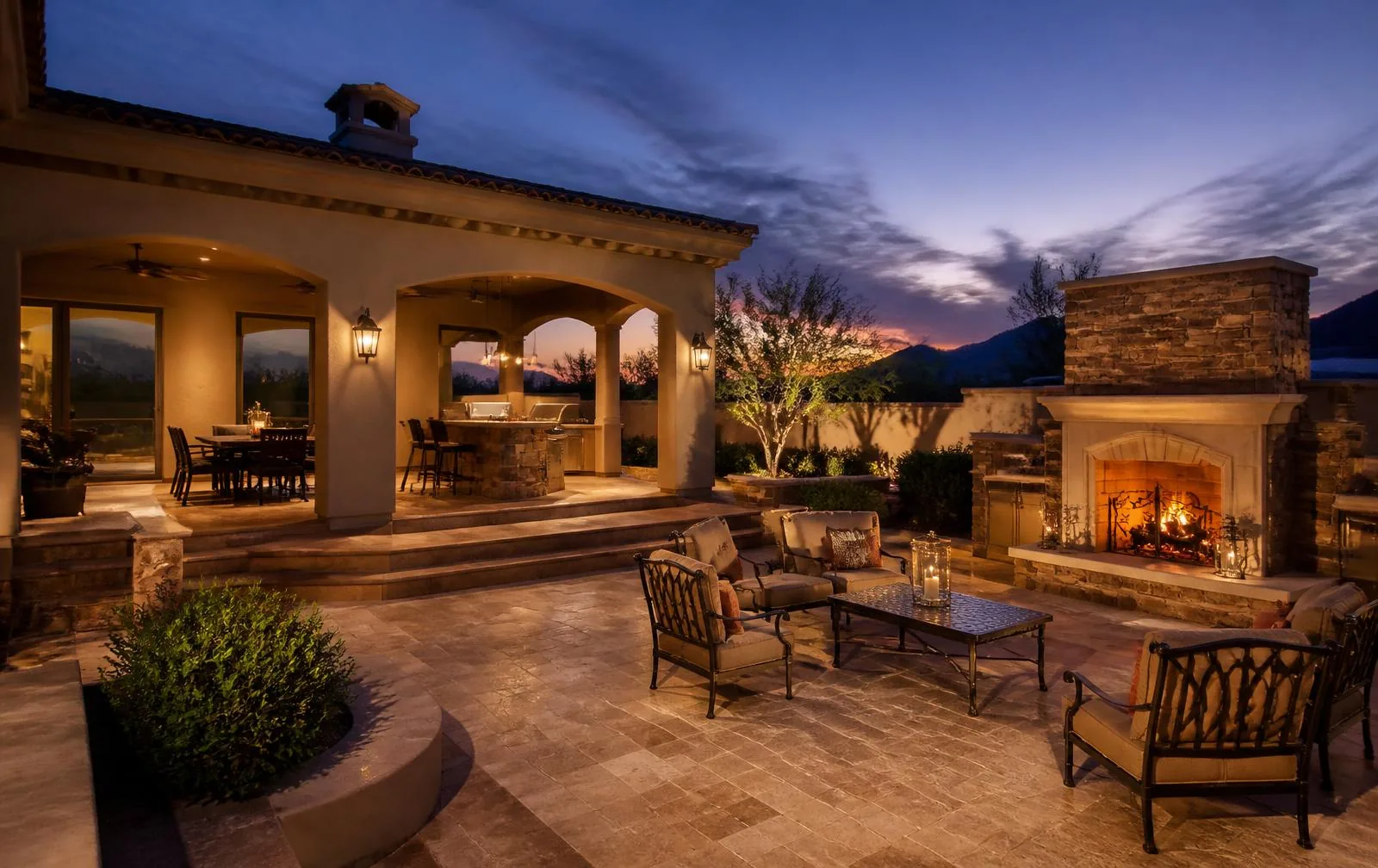
The full surface takes a breathable, vapor permeable penetrating sealer. That distinction matters more on slate than on almost any other stone on this list.
The Full Stone Surface
Every tile takes the same breathable penetrating product, applied evenly so sheen stays consistent.
Grout And Joints
Joints seal alongside the stone, and any crumbling grout gets repaired before the sealer goes down.
Edges And Cleft Valleys
Texture valleys and tile edges absorb differently, so they get worked carefully rather than flooded.
When To Call A Pro
Homeowner care handles maintenance. These four situations are restoration work, and waiting on them almost always raises the cost.
Any Visible Flaking Or Delamination
Once layers begin separating, the fix is assessment and repair, not a cleaning visit.
Milky Or Cloudy Sealer Appearance
A failing topical sealer has to be stripped fully before the correct product can be applied.
Tiles That Sound Hollow When Tapped
Hollow tiles indicate substrate separation underneath, which is a setting problem, not a surface one.
Large Scale Color Fading
Fading across a whole surface usually means the sealer has failed everywhere at once.
Want A Read On Your Stone?
Free assessment across Scottsdale and the greater Phoenix Valley.
Slate Questions
Related Pages
Pool Deck Stone Care
Sun, splash out, and pool chemistry: how to keep deck stone sealed and safe underfoot.
Learn moreNatural Stone Sealing Guides
When sealing actually matters, which products to use, and how often to reapply.
Learn moreLimestone Care
Soft, porous, acid sensitive stone that depends on a working sealer to survive traffic.
Learn moreReady when you are
RESTORE YOUR STONE.
GET A FREE BID.
Design-builds, restoration projects, specialty projects, and remodels across the Valley · Family-owned and locally operated.
- Mon–Fri · 7am to 4pm
- Sat · Closed
- Sun · Closed