
Case 01
Symptom
Caulk Peeling Or Yellowing At Corners
Likely Cause
The caulk has reached the end of its lifespan, typically three to five years in an active shower.
Fix
Full caulk removal and replacement.

Complete Guide · Updated For Arizona Homes
A shower takes more sustained moisture exposure than any other tiled surface in a home, which is why shower grout and caulk fail years before the tile itself does.
Shower restoration is typically a phased project rather than routine maintenance, and telling the two apart saves both money and repeat work.
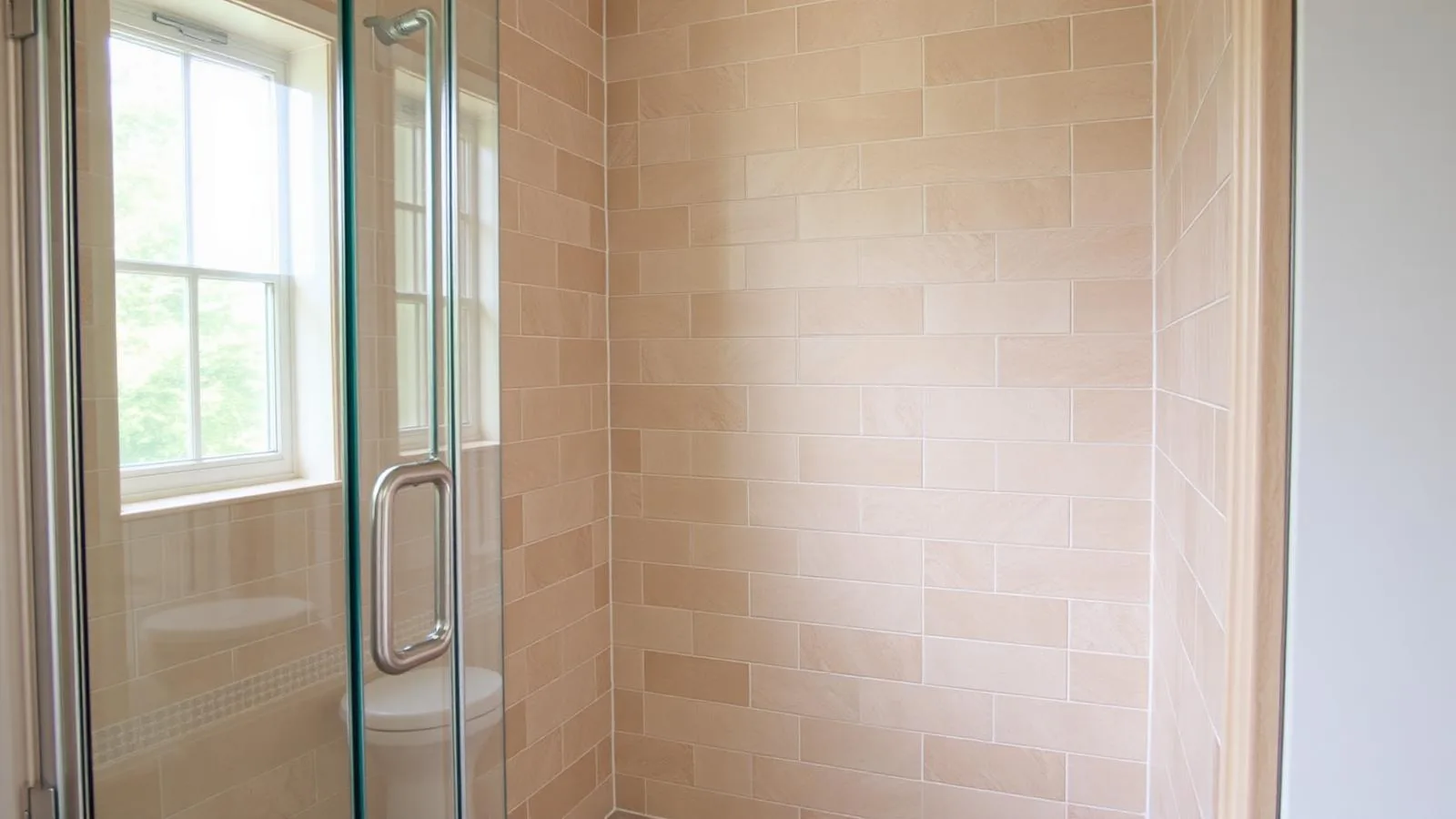
Constant heat, soap film, and standing moisture put a shower under load no floor ever sees. The tile usually survives it. The grout joints and the caulk at every corner and seam do not.
This page walks through what an actual restoration involves, so a homeowner can tell the difference between a shower that needs a deep clean and one that needs real restoration work before the damage moves into the substrate.
No other tiled surface stays wet as often or as long as a shower does.
The tile is rarely the problem. The materials holding the assembly watertight are.
In most showers, restoration is enough. Full retiling is reserved for substrate failure.
As much a ventilation problem as a cleaning problem. Without drying time, mold always returns.
Read the symptom first. Some of these are a weekend of prep and caulk, and one of them means the water has already moved behind the tile.
Symptom
Likely Cause
The caulk has reached the end of its lifespan, typically three to five years in an active shower.
Fix
Full caulk removal and replacement.
Symptom
Likely Cause
Water intrusion has broken down the grout in those sections rather than simply staining it.
Fix
Regrouting, sometimes with a substrate inspection.
Symptom
Likely Cause
Moisture trapped behind failed grout or caulk, or a bathroom that never gets adequate ventilation.
Fix
Restoration plus a ventilation check.
Symptom
Likely Cause
Substrate damage behind the tile, usually the result of long term water intrusion.
Fix
Professional assessment. May go past restoration into repair.
Symptom
Likely Cause
Mineral rich water combined with rinse habits that leave water standing on walls and glass.
Fix
Descaling treatment, then a squeegee habit going forward.
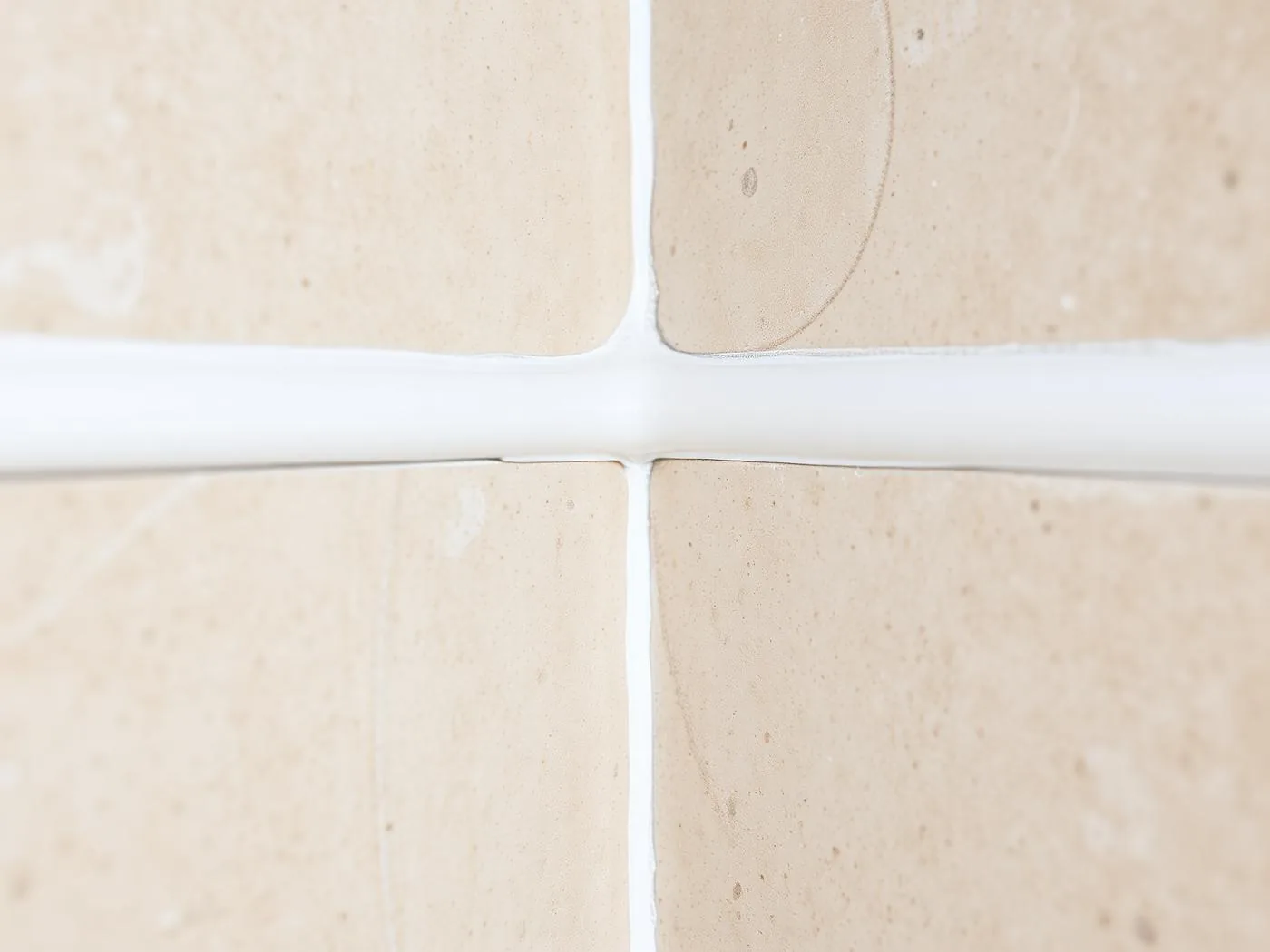
The warning signs for a shower are the same symptoms mapped above. Treat that grid as the checklist: any one of these means the shower has moved past routine cleaning.
A restoration runs in phases, and each one depends on the previous being done properly. Rushing prep is the single most common reason a restored shower fails early.
Assess grout condition, caulk condition, and check for any hollow or loose tiles indicating substrate issues before starting any cosmetic work.
Remove failed grout and old caulk completely. This is the step most DIY attempts skip or rush, and it is why they re-fail early.
Fresh grout matched to the existing color, new mildew resistant caulk at all seams and corners, and full sealer application once cured.
Establish a go forward routine: squeegee after each use, run the fan or crack a window for 20 to 30 minutes post shower, and address new mold within days rather than weeks.
For the DIY feasible portions of the work only. Everything below covers recaulking and light regrouting, not substrate repair.
Grout removal and substrate assessment are where most DIY attempts go wrong. If tiles sound hollow or grout is failing across more than one seam, get a professional evaluation before removing anything.
Between restorations, this is the process that keeps a shower stable. Run it seasonally, or monthly in a hard water home.
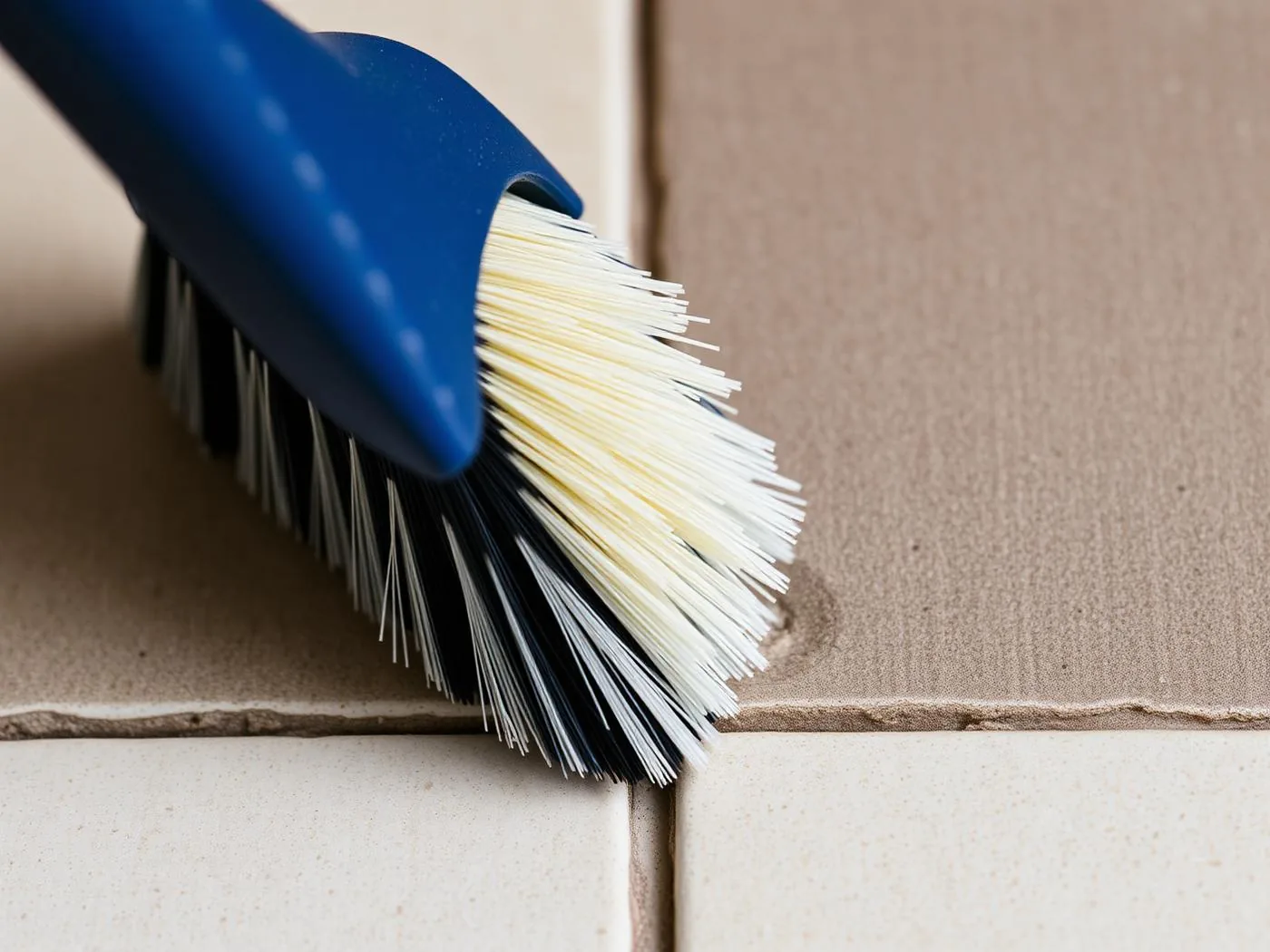
Remove bottles and mats, then rinse walls with warm water so cleaner spreads evenly instead of beading on soap film.
Use it on grout and any mildew shadowing. Let it dwell rather than scrubbing it in immediately.
Work joints and corners with a stiff nylon brush, paying attention to the bottom two feet where water sits longest.
Treat hard water film with a descaling shower cleaner, separately from the grout work.
Rinse fully, then squeegee every surface so no cleaner residue or standing water is left behind.
Run the fan 20 to 30 minutes, then inspect caulk lines and grout while everything is clean and dry.
Shower staining is mostly four problems. Three respond to product, and the fourth is telling you the shower needs restoration.
A daily squeegee prevents most of this. For existing buildup, use an oxygen based cleaner with dwell time.
Descaling shower cleaner, applied to the glass and tile face rather than worked into the grout.
Oxygen based cleaner short term. If it recurs, the answer is full restoration, not another cleaning.
A poultice drawn out over 24 hours, worked carefully around caulk lines so the poultice does not sit on the silicone.
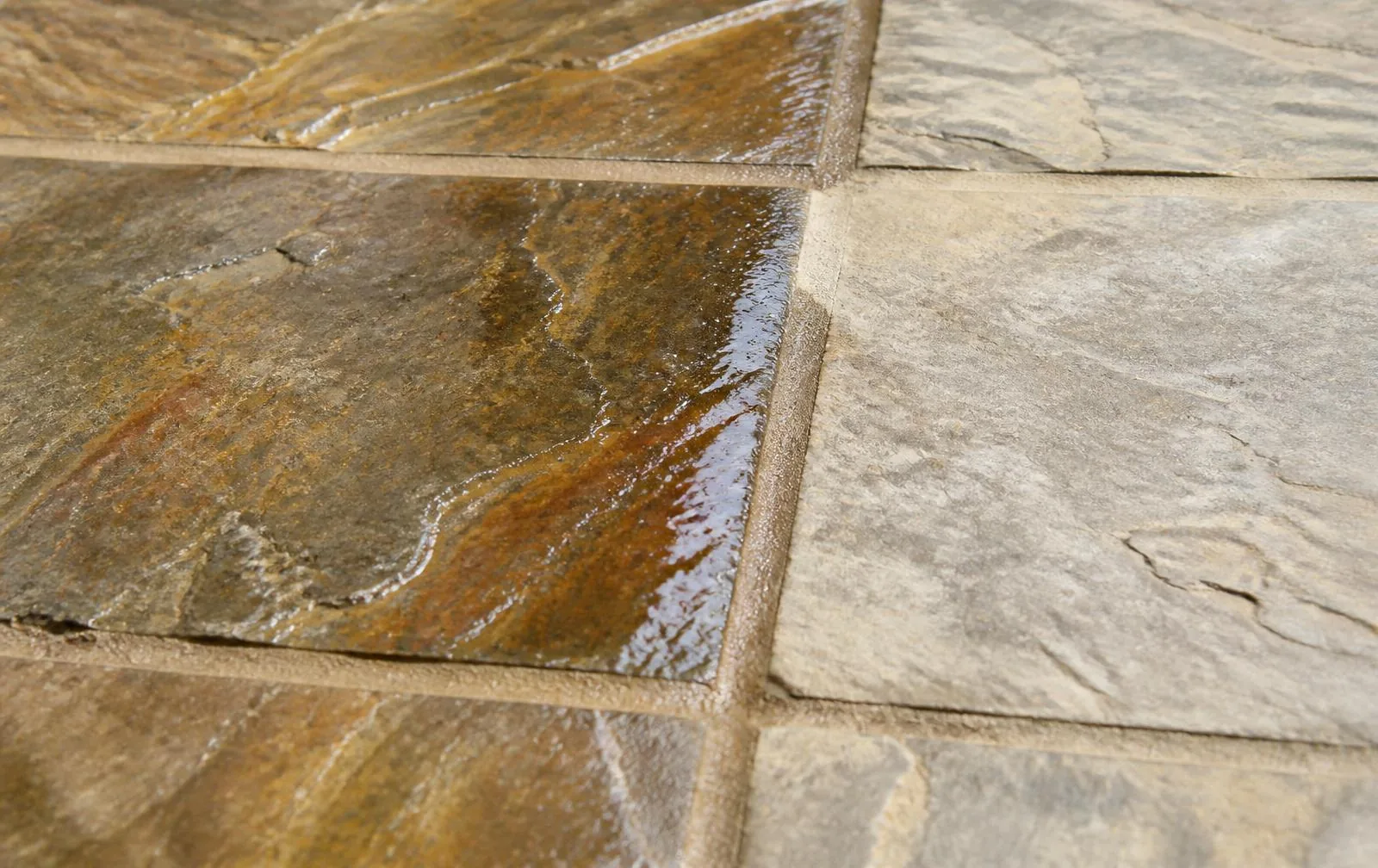
Grout throughout the shower gets sealed, and caulk gets checked. Those are the two most common failure points in any shower.
Walls, floor, curb, and niche. Cement grout in a shower absorbs moisture continuously and needs a working sealer.
Caulk is a flexible sealant, not a cementitious filler. It is never sealed. It is inspected and replaced on a cycle.
Wall to wall, wall to floor, and around the curb. These change movement planes and are where failure starts.
Homeowner care handles maintenance. These situations are restoration work, and waiting on them almost always raises the cost.
A hollow sound under a tap usually means the substrate behind the tile has taken on water.
Recurring mold despite good cleaning habits points at moisture behind the surface or inadequate ventilation.
Failure in more than one seam or wall is a restoration project, not a spot repair.
Any sign of intrusion into adjacent walls or flooring needs assessment immediately, before it becomes framing damage.
Want A Read On Your Grout?
Free assessment across Scottsdale and the greater Phoenix Valley.
Grout is the most porous part of almost every tile floor. How to deep clean it, when to reseal, and how to tell when it has failed beyond cleaning.
Learn morePlaceholder overview. Real content for this guide is being written by the field team and will replace this text.
Learn moreThe master sealing reference: penetrating vs topical sealers, and reseal frequency for every material in this Resource Center.
Learn moreReady when you are
Design-builds, restoration projects, specialty projects, and remodels across the Valley · Family-owned and locally operated.