

Complete Guide · Updated For Arizona Homes
Granite Care
Granite is the forgiving one: dense, hard, and heat resistant. It still needs sealing, but how often depends on the slab, which is why testing beats guessing.
What Granite Actually Is
Granite is an igneous stone, dense, hard, and far more forgiving than marble.
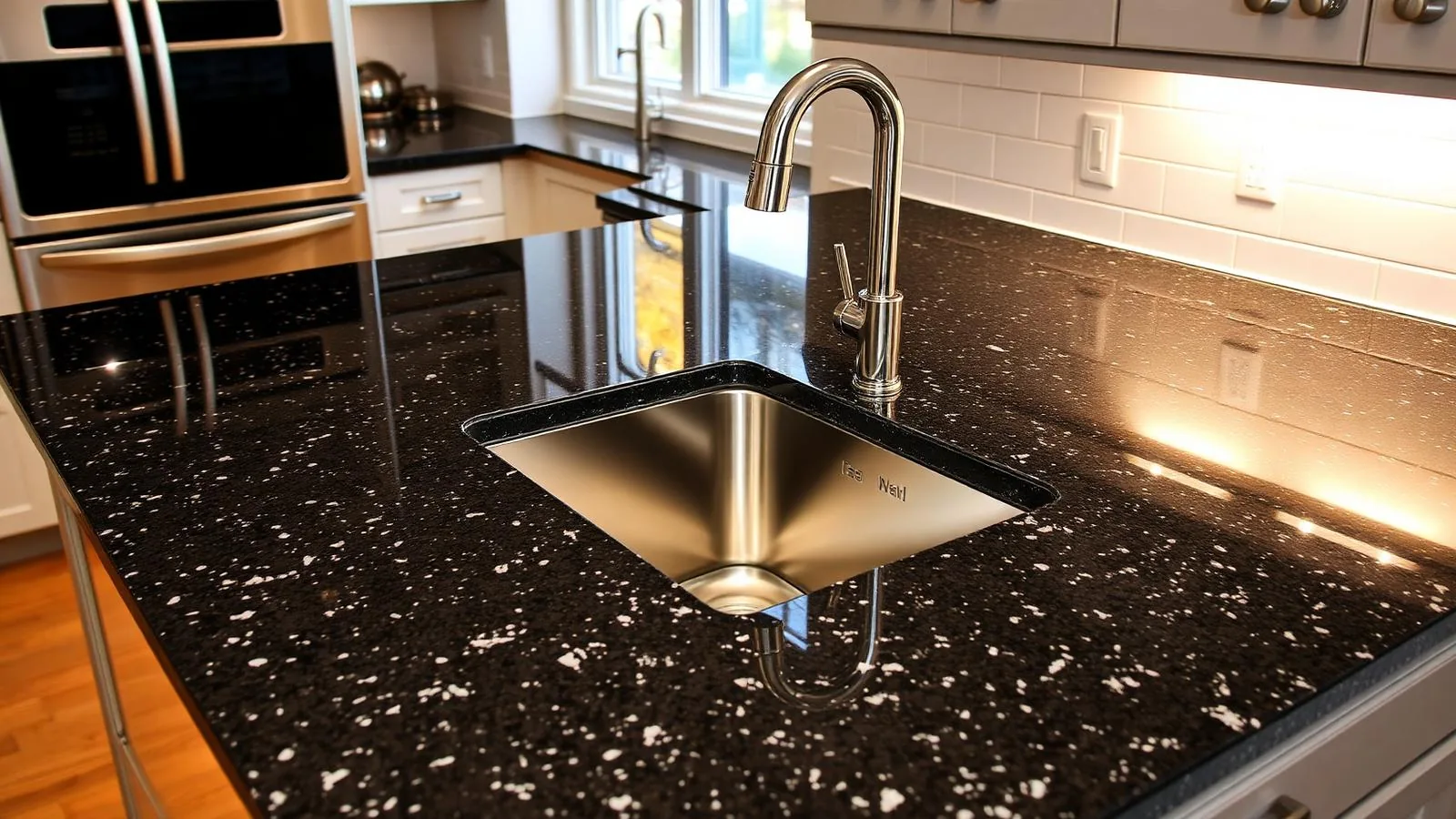
It resists scratching and heat exceptionally well, which is why it is the default choice for Phoenix kitchen counters and the surface most owners never think about until something goes wrong.
It is still porous enough at the microscopic level to need periodic sealing, but how porous varies a lot by slab. That is why testing before assuming a reseal schedule matters more on granite than on any other stone here.
Very Low Porosity
Low, but it varies by slab. Two granite counters in the same neighborhood can need very different reseal intervals.
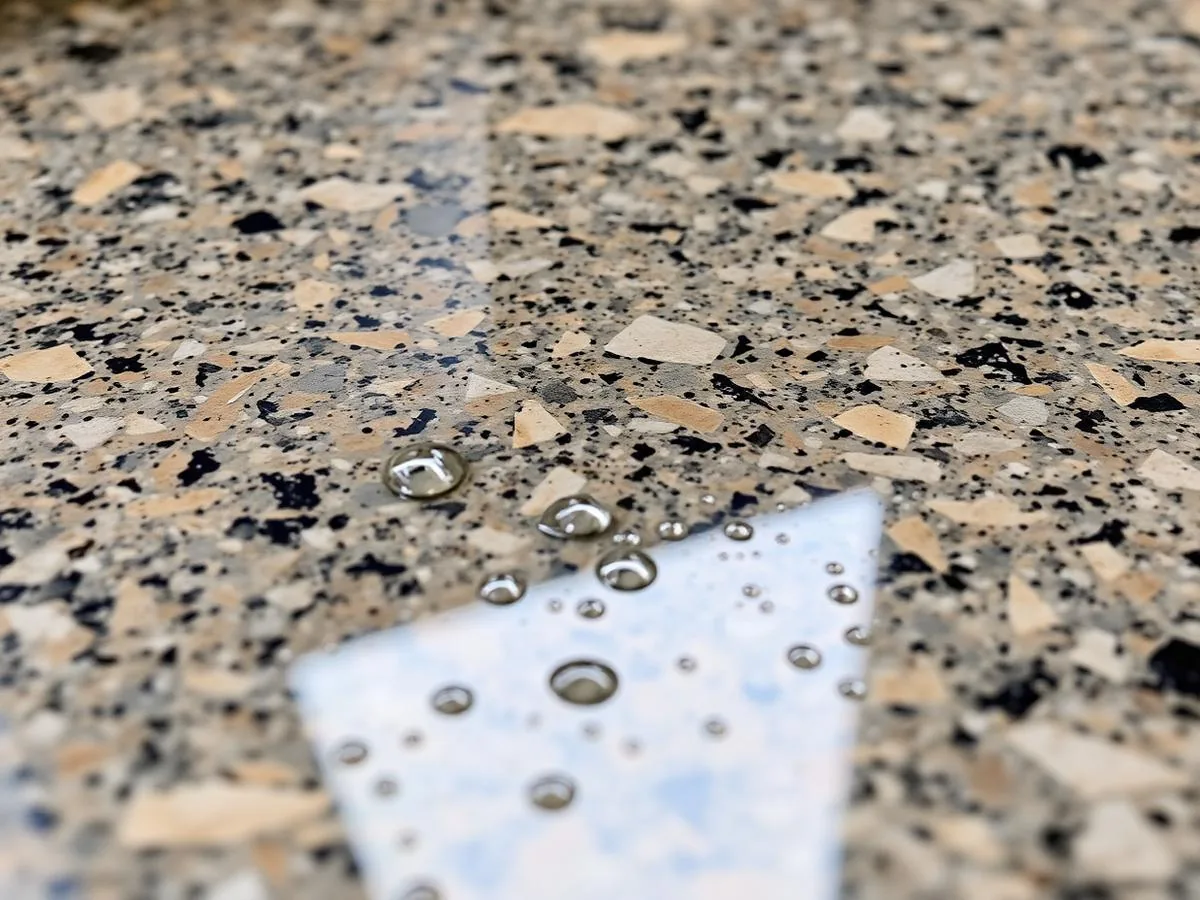
The Water Droplet Test
A simple droplet of water tells you whether the sealer is still working. Beading means protected, absorbing means reseal.
Reseal Every 1 To 2 Years
Typical for most slabs, but the test result outranks the calendar every time.
Heat & Scratch Resistant
Excellent on both counts, which is what makes granite the workhorse surface in a busy kitchen.
Know Which Granite Finish You Have
Finish affects porosity and how much daily smudging shows. Honed and leathered behave a little differently than the polished slabs most homes have.
Most common, glossy and reflective
Standard pH neutral cleaning and periodic sealing
Fingerprints and smudges showing more
Matte, no reflection
Slightly more frequent sealing than polished
Slightly more porous than polished
Soft texture with a low sheen
Soft brush in the texture when deep cleaning
Hides fingerprints and light scratching well
Rough, heavily textured
Occasionally used on outdoor surfaces, seal per exposure
Debris collecting in the rough surface
Catch It Early
Granite is durable enough that early problems are subtle. These are the signs worth checking on before they turn into stains.
A Routine You Can Actually Keep
Granite asks very little. The monthly droplet test is the single habit that keeps everything else simple.
- Wipe with mild dish soap and water, or a pH neutral stone cleaner
- Run the water droplet test near the sink and the stove, the two highest use spots
- Reseal if the droplet test shows absorption
- Reseal more frequently on slabs with higher natural porosity
The Deep Clean Process
Five steps, in order. The dwell time on grease is what separates a clean counter from one that still feels tacky.
- 01
Clear And Wipe Debris
Clear the counter completely and remove loose crumbs and debris before any cleaner goes down.
- 02
Apply pH Neutral Cleaner
A granite specific pH neutral cleaner. Granite tolerates more than marble, but daily harsh chemicals still degrade sealer.
- 03
Let It Dwell On Grease
Give the cleaner a minute on the grease spots near the stove instead of scrubbing them immediately.
- 04
Wipe Clean With A Soft Cloth
Soft cloth only. Abrasive pads will eventually dull a polished finish even on granite.
- 05
Dry And Test
Run the water droplet test if it has been close to a year since the last reseal.
Sink Cutouts And Stove Edges Are Where Granite Wears
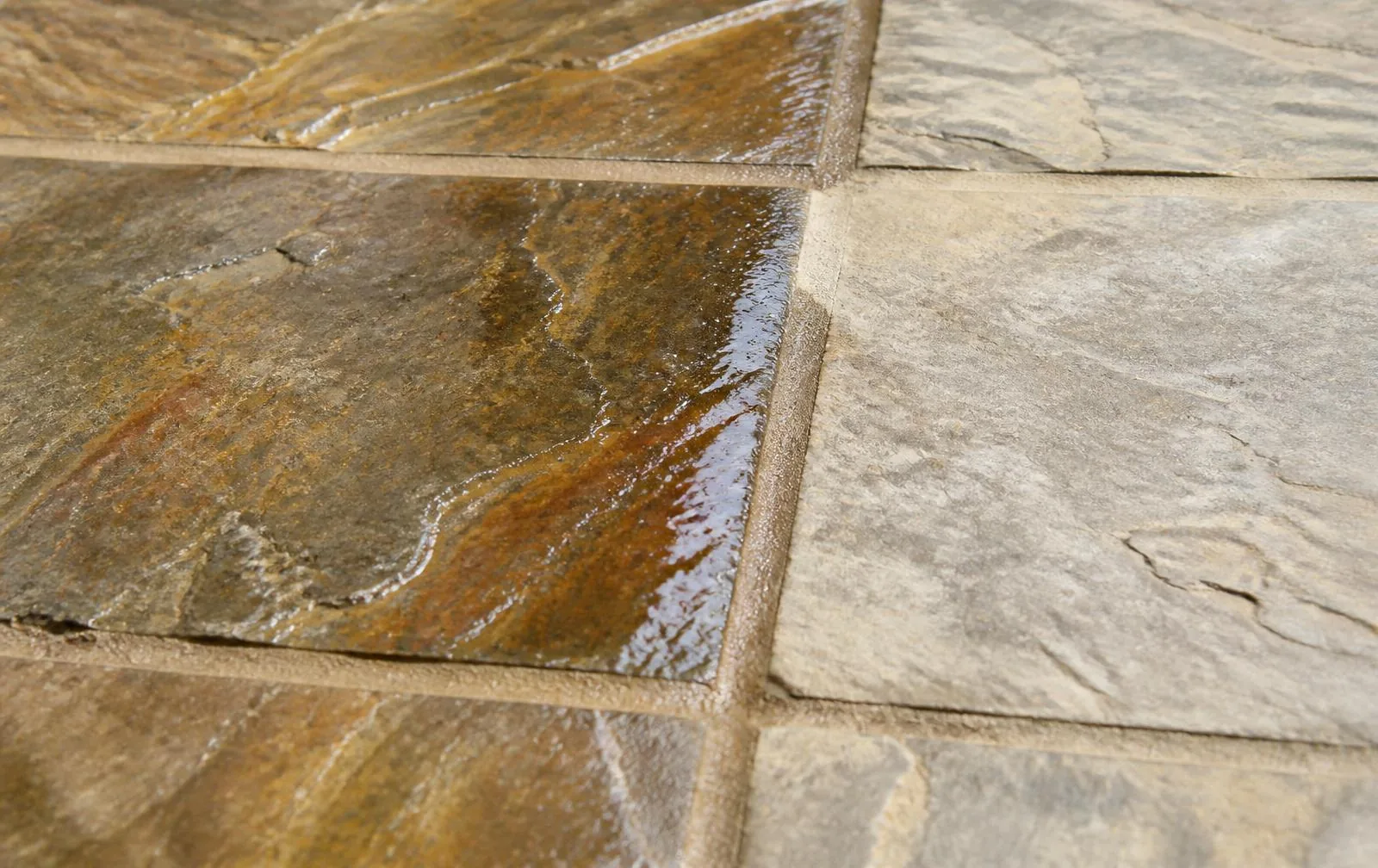
Sink cutouts and stovetop edges take the most wear on any granite counter. These are the two spots to inspect first if something seems off.
Both spots see constant water, heat, and grease, and the sink cutout is also the weakest structural point in the slab. Checking those two areas monthly catches nearly everything before it becomes a repair.
- Run the droplet test at the sink and stove, not in the middle of the counter
- Watch the cutout edges for hairline cracks
- Keep standing water off the seam behind the sink
- Reseal the high use zones even if the rest still beads
Stain Chart
Granite is far less reactive than marble, so most spills wipe away. These are the ones that need a method.
Cooking oil and grease
Dish soap and warm water first. If it has set into the stone, follow with a baking soda poultice
Hard water spots
A mild descaling cleaner. Granite tolerates this better than marble, but do not make it a daily habit
Wine and coffee
Typically wipes away, since granite is far less acid reactive than marble. Treat promptly regardless
Rust from cast iron or metal cans
A rust specific poultice. Never a metal scraper, which scratches the polish
Do This, Never That
Do
- Run the water droplet test regularly, at least monthly at the sink and stove
- Wipe up grease and acidic spills promptly
- Use cutting boards to protect the sealer from knife wear
- Reseal based on test results rather than a fixed calendar
Don't
- Assume granite never needs sealing, because some slabs are far more porous than others
- Use bleach or ammonia based cleaners regularly, even though granite tolerates them better than marble
- Scrub with abrasive pads on a polished finish
- Set a hot pan directly on a seam or cutout edge repeatedly
What Actually Gets Sealed
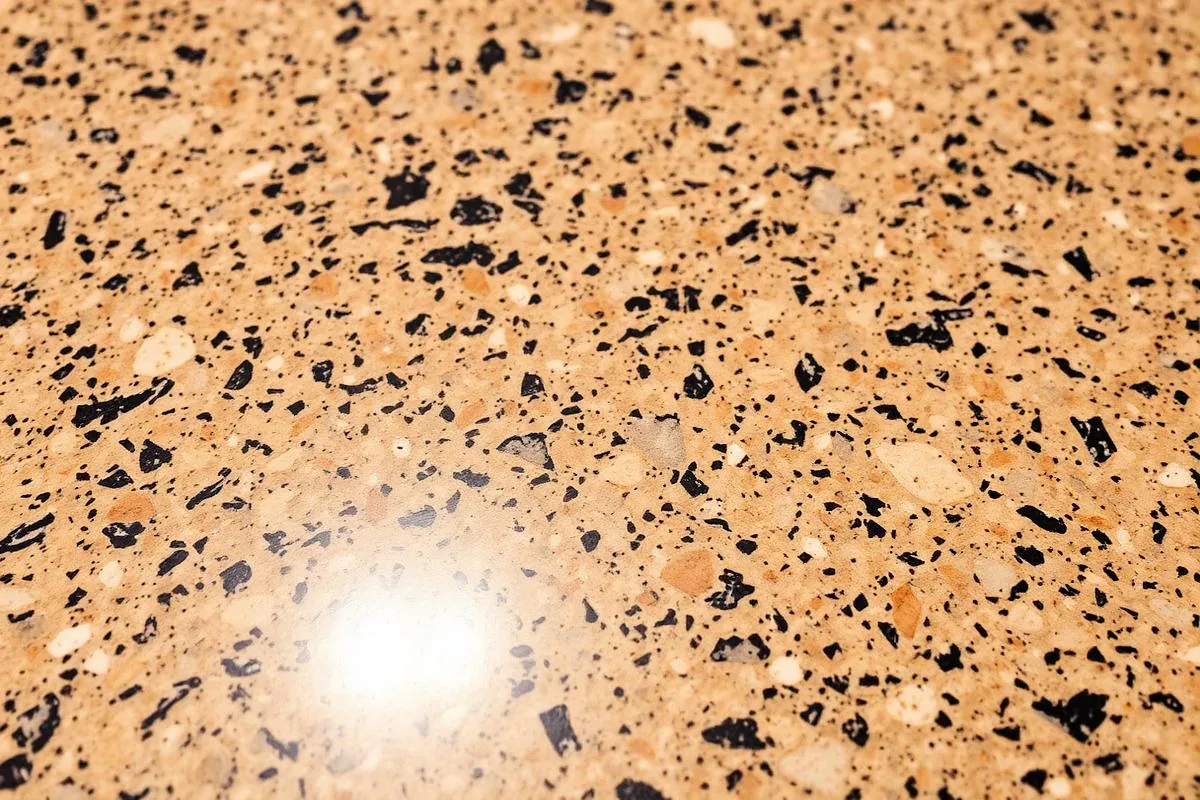
Full surface, on a schedule determined by the water droplet test rather than a fixed calendar. Porosity varies significantly between slabs.
The Droplet Test
Place a few drops of water on the surface. Beading means the sealer is working. Absorbing within minutes means reseal now.
High Use Zones First
Sink and stove areas lose sealer before the rest of the slab, so test there rather than in the middle.
Slab Variation
Some granite is dense enough to go years, and some absorbs within a season. The test, not the calendar, sets your schedule.
When To Call A Pro
Homeowner care handles maintenance. These four situations are restoration work, and waiting on them almost always raises the cost.
Water Absorbs Immediately
Near instant absorption on the droplet test means very high porosity and immediate resealing before anything stains.
Chips At Edges Or Cutout
Edge and sink cutout chips get filled and refinished with matched material, not patched with filler.
Hairline Cracks
Cracks near the cutout are a structural conversation. Assessment first, before anything gets sealed over.
Dark Stains That Resist Poulticing
If a poultice has not drawn it out after a full cycle, the stain is deeper than a home treatment can reach.
Want A Read On Your Stone?
Free assessment across Scottsdale and the greater Phoenix Valley.
Granite Questions
Related Pages
Marble Care
The acid sensitive counterpart: why etching, not staining, is marble's real problem.
Learn moreNatural Stone Sealing Guides
When sealing actually matters, which products to use, and how often to reapply.
Learn moreQuarry Tile Care
Dense unglazed clay tile: how it wears, and the maintenance it actually needs.
Learn moreReady when you are
RESTORE YOUR STONE.
GET A FREE BID.
Design-builds, restoration projects, specialty projects, and remodels across the Valley · Family-owned and locally operated.
- Mon–Fri · 7am to 4pm
- Sat · Closed
- Sun · Closed