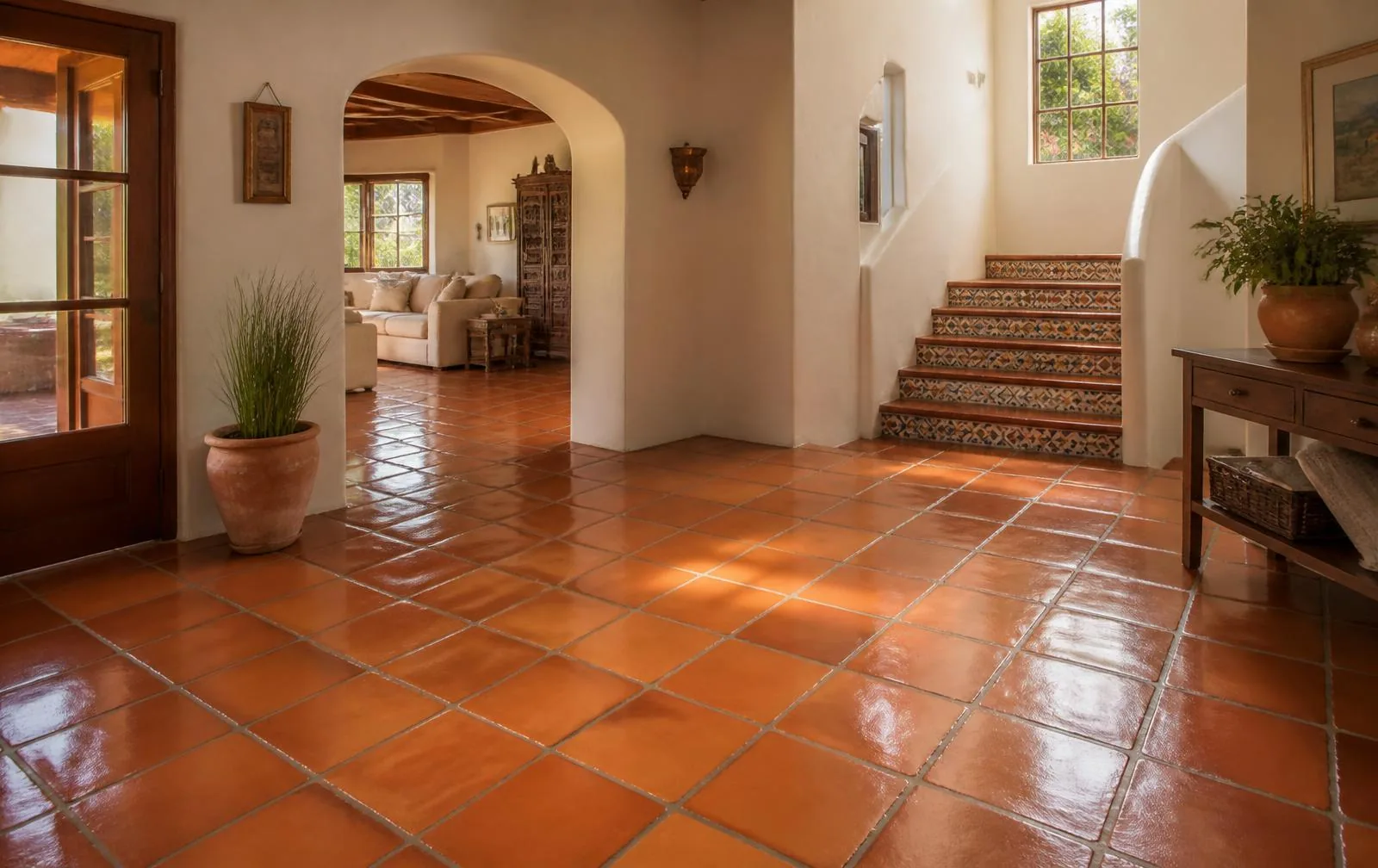

Travertine floors lose their shine because the stone itself is physically damaged. Daily foot traffic, tracked-in desert sand, and acidic cleaners create microscopic scratches across the surface. These scratches scatter light instead of reflecting it. When light scatters, the floor looks dull. Mopping cannot fix this. If you are scrubbing your floors and they still look flat and lifeless, the surface needs physical repair. For homeowners needing travertine polishing in Phoenix, understanding the difference between deep cleaning and mechanical restoration is the first step to getting your floors back.
The Difference Between Dirty and Damaged Travertine
Travertine is a calcium-based natural stone. It reacts heavily to friction and chemicals. Cleaning only removes oils, soil, and surface buildup. If a floor is just dirty, a heavy-duty alkaline tile cleaner and a professional extraction will restore its appearance.
However, dullness is rarely just dirt. It is usually physical texture. Over time, the smooth factory finish of the stone wears away. Traffic patterns emerge in hallways and kitchens. Acidic spills like orange juice, wine, or pet accidents chemically burn the calcium in the stone. This creates dull spots known as etching. You cannot clean away an etch mark because the smooth surface layer of the stone is literally gone.
You can test your floor right now. Clean a small, dull section of your travertine with a neutral cleaner. Dry it completely. Turn on an overhead light and look at the reflection on the stone from a low angle. If the reflection is blurred or non-existent, the stone is scratched or etched. No amount of scrubbing will bring the shine back.
Why Phoenix Floors Lose Their Shine Faster
Arizona homes present unique challenges for natural stone. The environment outside directly impacts the floors inside.
First, desert landscaping means abundant silica sand. Sand is significantly harder than travertine on the Mohs hardness scale. Every time you walk inside without wiping your shoes, you grind microscopic sand particles into the tile. This acts exactly like sandpaper, slowly grinding away the polished finish.
Second, the Phoenix valley has incredibly hard water. When water drips on the floor from a sink or a wet pool towel, it evaporates and leaves behind calcium and magnesium deposits. Over time, these mineral deposits build up and cloud the surface of the stone.
Finally, the reaction to hard water often leads homeowners to make a massive mistake. They read online that vinegar removes hard water stains. Vinegar is highly acidic. When applied to calcium-based travertine, the acid immediately eats away the finish. The hard water spot might disappear, but an irreversible dull, etched spot takes its place.
Why Topical Waxes and Shine Restorers Fail
When floors look dull, many owners visit the hardware store and buy a liquid shine restorer or acrylic wax. This is the worst thing you can put on a natural stone floor.
Topical coatings sit on top of the stone like a layer of plastic. They look shiny for a few weeks, but they are incredibly soft. Foot traffic quickly scuffs the wax. Dirt embeds itself directly into the sticky acrylic layer, turning the floor a muddy yellow or brown. Travertine is naturally porous and needs to breathe. Waxes trap moisture inside the stone, which can lead to spalling or cracking.
Once a topical wax is applied, professional travertine restoration Phoenix technicians must chemically strip the entire floor before any real polishing can begin. This adds unnecessary time and cost to your restoration project. If you want a shiny floor, you need to polish the actual stone, not paint a temporary liquid shine over it.
When to Choose Travertine Polishing in Phoenix
When cleaning no longer works and you want the natural reflection back, it is time for mechanical polishing. Polishing is a physical grinding process. It removes a microscopic layer of the stone to reveal a fresh, undamaged surface underneath.
This process allows you to choose your exact finish. You do not have to return to a high-gloss mirror shine if you prefer something more subtle.
Honed Finish
Honing uses lower-grit diamond abrasive pads, typically stopping between 200 and 400 grit. This leaves the travertine with a smooth, matte or satin appearance. It reflects very little light. A honed finish hides dust and minor scratches exceptionally well. It is highly recommended for busy homes with large dogs or heavy foot traffic.
Polished Finish
Polishing takes the honing process further. The stone is refined with progressively finer diamond pads, often reaching 1500 to 3000 grit. The result is a highly reflective, glossy surface. This finish brings out the deepest colors and veining in the stone. Polished travertine looks incredibly elegant but requires more careful maintenance, as scratches and dust are more visible on a highly reflective surface.
The Professional Honing and Polishing Process
Real restoration requires specialized heavy machinery, precise water control, and an understanding of stone geology. Here is exactly what happens during a professional restoration.
Step 1: Deep Extraction Cleaning
The floor is flooded with a specialized stone cleaner to break down embedded soils. Technicians use a rotary machine with stiff brushes to agitate the dirt. A high-pressure hot water extraction wand vacuums away the slurry. This provides a clean slate for the grinding process.
Step 2: Hole Filling and Repair
Travertine naturally contains voids and gas bubbles. During manufacturing, these holes are filled with a hard resin. Over time, heavy traffic and aggressive cleaning pop this filler out, leaving open craters in your floor. Before polishing, technicians mix custom-tinted epoxy or polyester resin to fill these holes. The resin cures harder than the stone itself.
Step 3: Diamond Grinding
Heavy floor machines equipped with coarse diamond abrasive pads grind the floor. This step removes the deepest scratches, etch marks, and any excess resin from the hole-filling process. Water is used constantly to cool the diamonds and prevent any dust from entering your home.
Step 4: Progressing the Grits
The technicians switch out the diamond pads, moving from coarse to fine. Each pass removes the microscopic scratches left by the previous pad. The floor slowly transitions from dull to smooth, then from smooth to shiny. This step is repeated until the stone reaches your desired level of gloss.
Step 5: Penetrating Sealer Application
Once the floor is polished and completely dry, a high-quality penetrating sealer is applied. Unlike topical waxes, a penetrating sealer soaks into the pores of the stone below the surface. It does not change the look or shine of the floor. It creates a chemical barrier that gives you time to wipe up spills before they stain the stone.
Costs and Timelines for Travertine Restoration
Pricing for stone restoration is based on the condition of the floor and the desired finish. On average, professional travertine restoration costs between $3.00 and $7.00 per square foot.
A floor that only needs a light hone and polish will sit at the lower end of that range. A floor that requires extensive epoxy hole filling, heavy grinding to remove deep scratches, or chemical stripping to remove old wax will push toward the higher end. Changing a heavily textured floor into a completely smooth, glass-like finish requires significantly more labor and diamond pads.
A standard 500-square-foot living space typically takes a professional crew one to two full days to restore. The floor is safe to walk on in socks immediately after the process is finished.
Extending the Life of Your Restored Travertine
Once you invest in travertine polishing Scottsdale or Phoenix services, you want that finish to last. The way you maintain the floor dictates how long the shine survives.
First, control the dirt at the doors. Place large, high-quality walk-off mats at every exterior entrance. The more sand you catch at the door, the less sand grinds into your floor.
Second, sweep or dust mop daily. Use a clean, dry microfiber mop. Do not use treated dust mops, as the oil treatments will attract dirt.
Third, mop only with a neutral pH stone cleaner. Neutral means a pH of exactly 7.0. It is neither acidic nor alkaline. Mix the cleaner exactly according to the instructions on the bottle. Using too much soap leaves a sticky film that attracts dirt and makes the floor look dull again.
Never use steam mops. The extreme heat from a steam mop can break down the protective sealer and cause the natural stone to crack or spall. Never use vinegar, bleach, ammonia, or citrus-based cleaners.